Introduction
In today's digital landscape, establishing a strong brand identity is not just an option—it's a necessity. As businesses transition to online platforms, effective branding becomes crucial in creating a lasting impression. This article delves into how Brand Identity Design can significantly impact your unique online presence and enhance your overall digital marketing strategy.

Through an exploration of various elements like website design, graphic design, and UX/UI optimization, we will cover the essential components that contribute to successful brand identity creation. By understanding these aspects, you can position your business strategically in the marketplace.
Let’s embark on this journey to discover how to craft your unique online presence through comprehensive Brand Identity Design!

Brand Identity Design: Crafting Your Unique Online Presence
Creating a compelling brand identity involves much more than just a logo or color scheme. It requires a cohesive strategy that integrates various elements like website design, graphic design, and even digital marketing tactics. Your brand identity serves as the face of your business and plays an integral role in how customers perceive you.
Understanding Brand Identity
Brand identity encompasses all the visual and emotional elements that represent your business. It includes:
- Logo Design: The symbol that identifies your brand. Color Palette: The colors that convey your brand's personality. Typography: The fonts used in your branding materials. Imagery Style: The types of images that resonate with your audience.
By carefully curating these elements, you create a consistent message that reinforces what your brand stands for.
The Importance of Brand Identity
Why does having a solid brand identity matter? A well-defined brand acts as a beacon for potential customers, guiding them toward choosing you over competitors. Here are several reasons why investing in brand identity design is essential:
Builds Trust: A professional appearance fosters credibility. Enhances Recognition: Consistent branding makes it easier for customers to remember you. Strengthens Customer Loyalty: Customers are more likely to return when they feel connected to a brand.Key Elements of Brand Identity Design
1. Logo Design
Your logo is often the first interaction https://codylyzk781.timeforchangecounselling.com/why-your-small-business-needs-a-professional-marketing-agency customers have with your brand. It's vital that this visual element encapsulates the essence of what you do while being versatile enough for various applications—from website headers to business cards.
2. Color Palette
Colors evoke emotions, so choose wisely! For instance:
- Blue often conveys trust and professionalism. Green can symbolize growth and sustainability.
Using a consistent color palette across your website and marketing materials helps establish recognition.
3. Typography
Typography should reflect your brand's personality—whether it's modern, classic, or playful. Consistency in font usage across all platforms ensures seamless communication.
4. Imagery Style
The imagery associated with your brand should align with its values and messaging. Whether you're using custom graphics or stock photos, maintaining consistency will strengthen recognition.
Digital Marketing Strategies Supporting Brand Identity
Crafting an effective online presence requires more than just visual elements; it also involves strategic digital marketing efforts.
1. Website Design
A well-designed website serves as the cornerstone of your online presence. Key considerations include:
- User Experience (UX): Ensure visitors navigate effortlessly. Responsiveness: Mobile-friendly websites are no longer optional; they’re essential.
A professionally designed website establishes credibility while reflecting your unique brand identity.
2. Social Media Marketing
Social media platforms offer excellent opportunities to showcase your branding efforts through consistent messaging and visuals aligned with your identity.
3. Content Marketing
High-quality content not only engages but also informs potential customers about what makes you unique—strengthening their connection to your brand.
Graphic Design as Part of Brand Identity
Graphic design plays an instrumental role in solidifying your brand identity online:
1. Custom Graphics
Utilizing custom graphics enhances visual storytelling while ensuring alignment with established guidelines for logos and color schemes.
2. Print Design
Don't overlook traditional print materials! Brochures, flyers, and collateral can reinforce digital efforts by providing tangible reminders of who you are.
FAQs About Brand Identity Design
FAQ 1: What is Brand Identity?
Answer: Brand identity refers to the visible elements of a brand—such as its logo, color scheme, typography—that together convey its personality and values.
FAQ 2: Why is Branding Important?
Answer: Effective branding builds trust, enhances recognition, strengthens customer loyalty, and differentiates you from competitors in the marketplace.
FAQ 3: How Do I Create My Brand Identity?
Answer: To create a strong brand identity, start by defining core values and target audience; then develop logos, color palettes, typography styles, and other visual elements consistently across all platforms.
FAQ 4: What Role Does Website Design Play?
Answer: Website design is crucial because it affects user experience (UX), impacts conversion rates (CRO), ensures mobile-friendliness, and reflects overall branding efforts effectively.
FAQ 5: How Can I Optimize My Website for Conversions?
Answer: You can optimize conversions through techniques such as UX/UI optimization on landing pages, utilizing A/B testing strategies, ensuring fast loading times, and clear calls-to-action (CTAs).
FAQ 6: Is Social Media Important for Branding?
Answer: Absolutely! Social media provides an avenue for brands to engage directly with audiences while showcasing their identity through consistent messaging and visuals aligned with their broader strategy.
Conclusion
In conclusion, crafting an effective brand identity involves careful planning across multiple dimensions—from logo design to digital marketing strategies such as SEO optimization or social media engagement strategies tailored specifically for each platform’s audience needs!
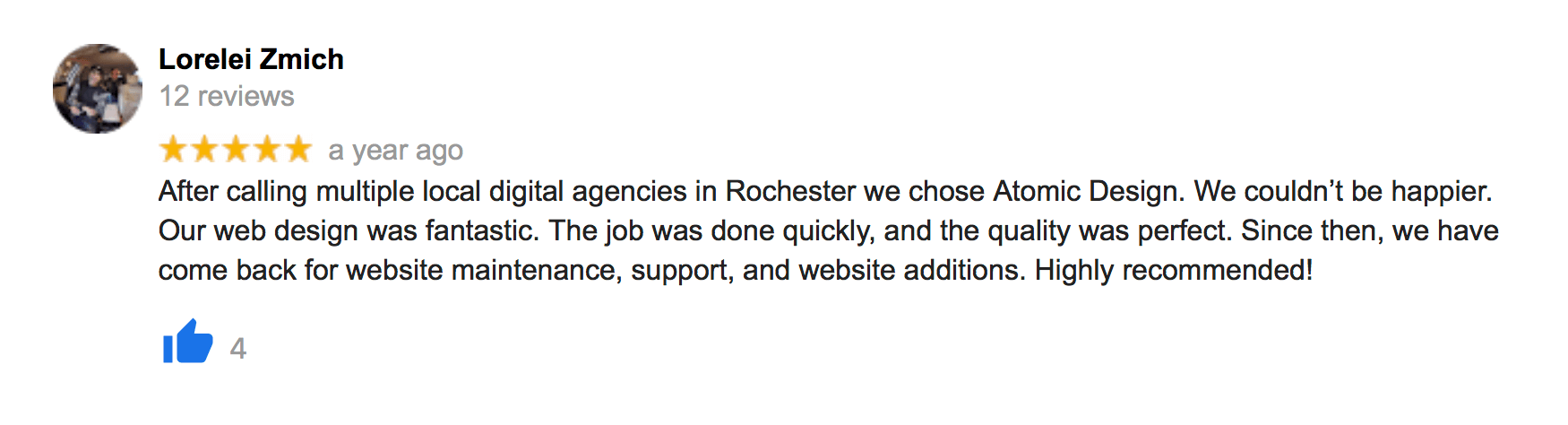
The key takeaway? Your unique online presence hinges on presenting yourself authentically yet professionally while leveraging various channels effectively—including responsive web design features tailored towards enhancing visitor experiences alongside ongoing maintenance practices aimed at keeping everything running smoothly!
By focusing on building strong foundations within these areas—whether that's through custom web development or impactful PPC campaigns—you'll lay down solid groundwork necessary for sustained success moving forward!
So ask yourself—are you ready to take charge? With dedicated effort towards honing every aspect discussed here today…you’ll undoubtedly set yourself apart from competitors striving equally hard too!